Is Solar Worth It in Connecticut? An Honest Look at the Savings
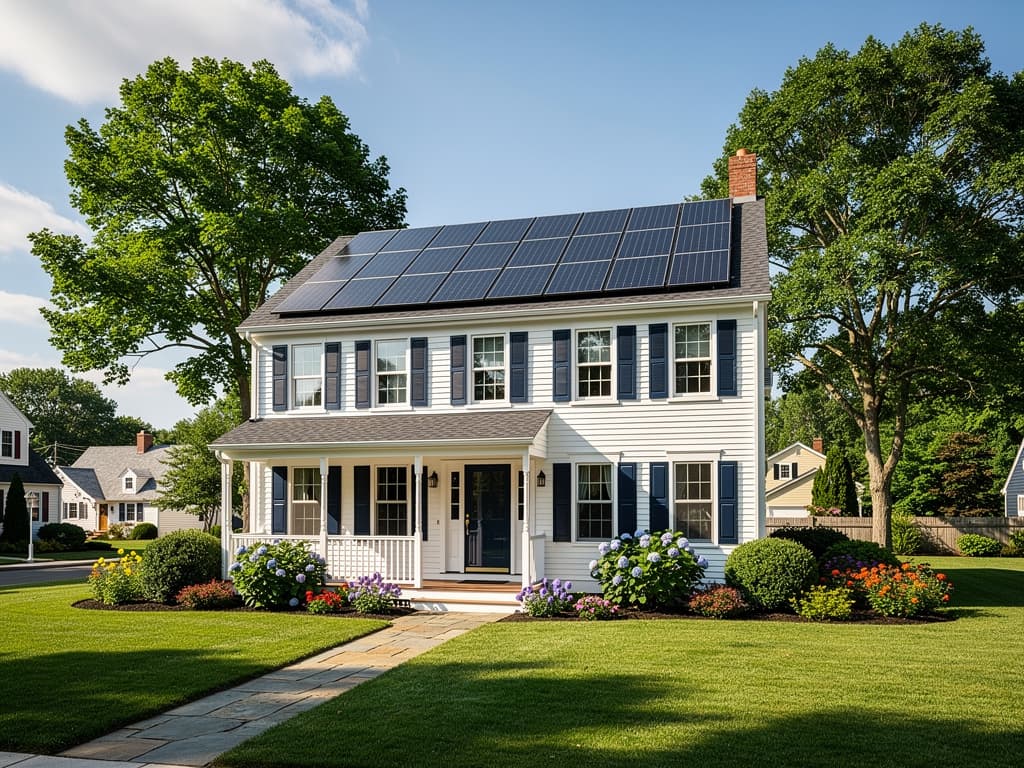
If you're a Connecticut homeowner wondering whether solar is worth it, the honest answer for most homes is yes — and it comes down to one thing: Connecticut's electricity rates are among the highest in the country. When you're paying that much for power, replacing it with solar is where the savings come from.
Let's break down how it actually works.
Connecticut's High Electricity Costs
The average Connecticut household pays around $0.27 per kWh — close to double the national average. For a typical home using about 750 kWh per month, that's over $200 a month, or $2,400+ a year, just for electricity. And those rates have trended steadily upward.
Solar offsets most or all of that cost, depending on your system size, roof, and sun exposure. The higher your bill, the more there is to save.
$0 Down: How Most People Go Solar Today
You don't need to buy a system outright to go solar. The most common path now is a power purchase agreement (PPA) — sometimes called a solar lease:
- $0 upfront. No big check to write, no loan to qualify for.
- You pay for the solar power your panels produce, typically at a rate lower than what the utility charges.
- As utility rates rise over time, your solar rate stays predictable — that gap is your savings.
- Maintenance and monitoring are handled for you under the agreement.
Buying a system outright is still an option if you want to own it, but most homeowners go with $0-down because it starts saving money from day one without the upfront cost.
Net Metering: Banking Summer Sun for Winter
This is the piece that makes solar work so well in New England, where production swings with the seasons.
- In spring and summer your panels often produce 100% of what you need — sometimes more.
- Any excess energy gets pushed back to the grid, and your utility (Eversource or United Illuminating) credits your account for it.
- Those credits collect no interest and never expire.
- In fall and winter, when production drops to around 85%, you draw back from your banked credits.
The net effect: you bank summer sun and spend it in winter. Over a full year, it smooths out to consistent savings.
Will My Roof Work for Solar?
Most Connecticut roofs are a good fit. What matters most:
- Sun exposure. We measure each roof's total sun exposure before designing anything — strong scores make for a strong system. Heavy tree shading is the main thing that disqualifies a roof.
- Orientation. South-facing produces the most, but east and west work well too.
- Roof condition. Your roof should have a solid 10+ years of life left, since the panels will be up there for decades.
- Per-panel technology. Modern microinverters convert each panel's output independently, so partial shade on one panel doesn't drag down the rest of the system.
We assess all of this for free before you commit to anything.
Planning for the Future
If you're thinking about an EV, a heat pump, a pool, or anything else that will raise your electricity use, it's worth sizing the system for it now. Adding an electric vehicle, for example, typically adds around 3,000 kWh per year to a home's usage. You don't need it installed yet — if it's on your radar, we can factor it into the design so your system still covers your bill later.
The Bottom Line
With the highest-in-the-nation electricity rates, $0-down options, and net metering that lets you bank summer production for winter, Connecticut is one of the best states in the country to go solar. For most homeowners with decent sun exposure, the question isn't really if it's worth it — it's whether your roof is a good fit.
Want to know what solar would do for your specific home and bill? We'll evaluate your roof's sun exposure and show you the numbers — free, no obligation.
-The Premier Solar CT Team